

Exploring the psychology behind casino games and player behavior
The thrill of chance: Why we play
The allure of casino games often stems from the thrill of chance. Players are drawn to the unpredictability of outcomes, which can create a rush of adrenaline. This excitement triggers the brain’s reward system, releasing dopamine and fostering a sense of pleasure. As players engage with games of luck, they experience a mix of hope and suspense, heightening their desire to play more. Understanding this psychological draw is essential for both players and casinos, as it shapes player behavior and game design. In addition to traditional gaming options, many seek out online casino slots for an exciting and convenient gaming experience.
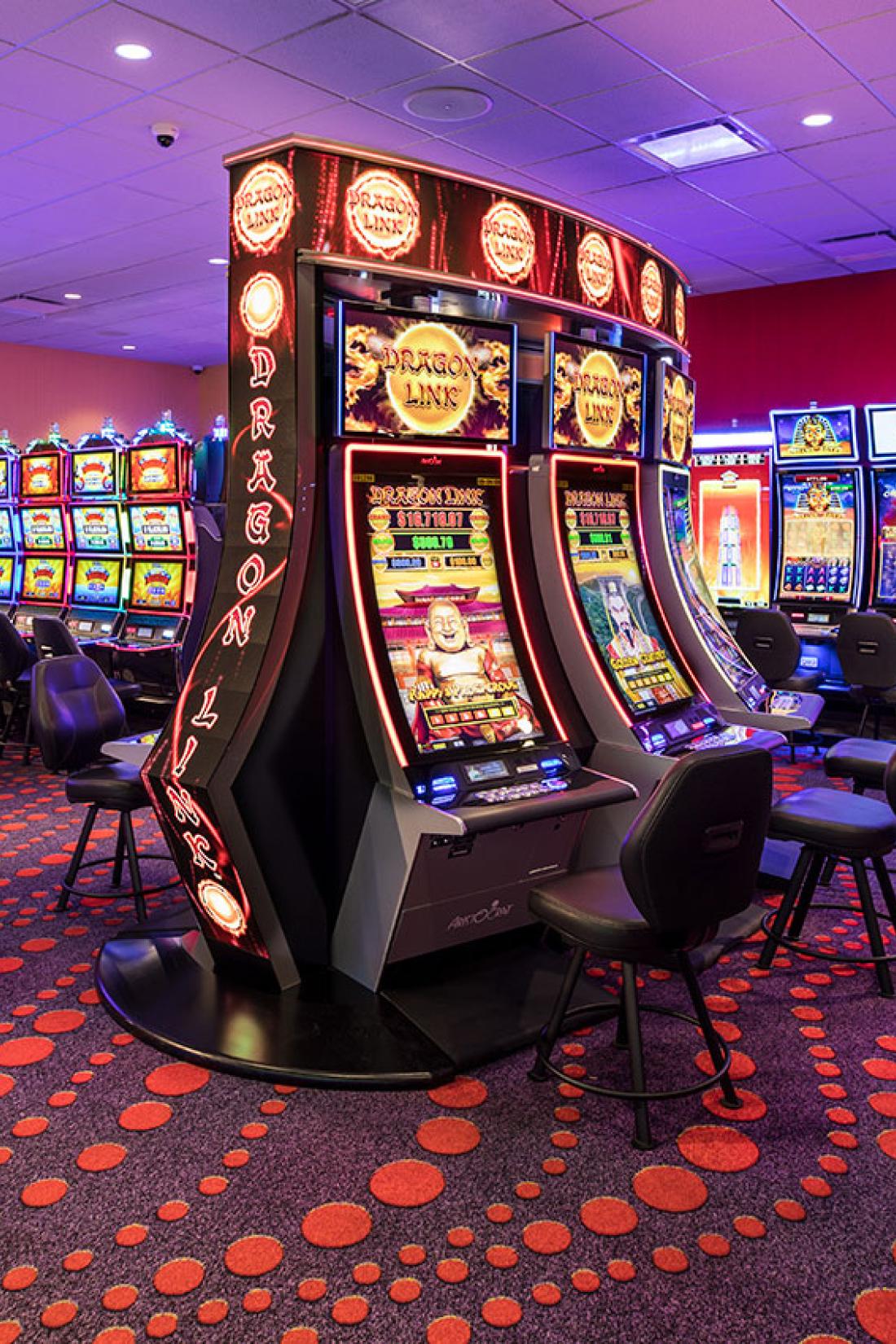
Moreover, the environment of a casino plays a crucial role in amplifying these feelings. Bright lights, engaging sounds, and the presence of fellow players can create an immersive experience that encourages longer gaming sessions. This combination of excitement and ambiance can lead to what psychologists refer to as the “near-miss effect,” where players feel a sense of closeness to winning, fueling their motivation to continue gambling.
The impact of cognitive biases
Cognitive biases heavily influence player behavior in casinos. One prominent bias is the illusion of control, where players believe they can influence random outcomes, such as in slot machines or dice games. This misconception leads to overconfidence, causing players to wager more than they typically would. The psychological impact of this bias can result in prolonged gaming and, potentially, financial losses.
Another significant cognitive bias is the gambler’s fallacy, where individuals may believe that past outcomes can influence future results. For example, after a series of losses, a player might assume that a win is “due.” This belief can create a cycle of gambling where players chase losses, often leading to problematic gaming behavior. Recognizing these biases can empower players to make more informed decisions and mitigate risky behaviors.
Social influences and peer pressure
Social factors play a vital role in shaping player behavior at casinos. The communal atmosphere often encourages individuals to join in and partake in games, driven by a desire for social interaction. Players may feel pressure to conform to group behaviors, leading to increased wagering and engagement in high-stakes games. This social validation can further enhance the excitement of gambling and lead to excessive play.
Additionally, the influence of friends or peers can amplify emotional responses while playing. Celebrating wins together can create feelings of euphoria, while sharing losses might trigger feelings of frustration or disappointment. Understanding the impact of social dynamics on gambling can help mitigate risks and promote a healthier approach to gaming.
The role of marketing and game design
Marketing strategies and game design significantly affect player behavior in casinos. Casinos often employ enticing promotions, such as complimentary drinks and loyalty programs, to keep players engaged and coming back for more. These tactics create a sense of belonging and reward players, enhancing their overall experience and encouraging longer playtimes.
Moreover, game design itself is tailored to appeal to psychological triggers. Features like fast-paced gameplay, frequent small wins, and immersive graphics are strategically designed to maintain player interest and prolong engagement. By leveraging psychology in their marketing and design, casinos not only attract players but also shape their experiences to maximize retention.

Understanding player behavior: Insights for responsible gaming
For players and industry stakeholders alike, understanding the psychology behind casino games is critical for promoting responsible gaming practices. The insights gleaned from exploring player behavior and cognitive biases can inform strategies to encourage healthier habits. By raising awareness about the psychological elements at play, individuals can better navigate their gambling activities and avoid the pitfalls of excessive play.
Ultimately, the casino industry has a role in fostering an environment that prioritizes player well-being. By implementing responsible gaming initiatives and educating players about the psychological aspects of gambling, casinos can help create a more sustainable and enjoyable experience for everyone involved.